Cooking 100% Florida Grass-Fed Beef: Why It Matters and How to Do It Right
Cooking 100% Florida Grass-Fed Beef: Why It Matters and How to Do It Right
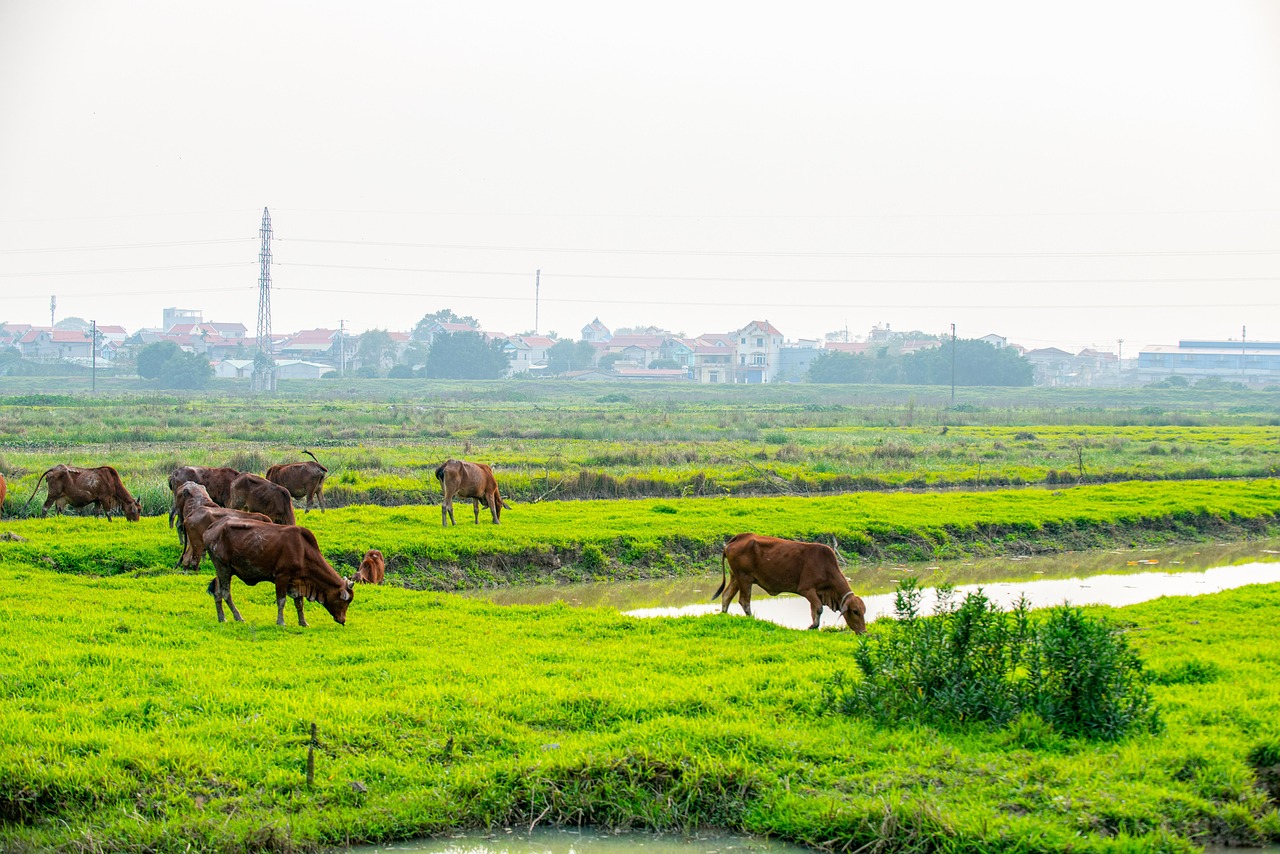
When most people hear “grass-fed beef,” they picture cattle roaming green pastures. In Florida, that picture is real — but only if the beef is truly 100% grass-finished. Many labels use the term “grass-fed” loosely, allowing animals to spend most of their lives on grass before being finished on grain. True 100% grass-finished beef means the cattle ate only grass and forage their entire lives. No grain. Ever.
This distinction matters for flavor, nutrition, and the kind of farming it supports.
Florida’s subtropical climate shapes the beef in unique ways. Cattle here graze on native and improved grasses like bahiagrass. The result is beef with a cleaner, more pronounced “beefy” flavor that carries the character of the land. It tends to be leaner than grain-finished beef, with a different fat profile — generally higher in omega-3 fatty acids and certain antioxidants. The fat is often more yellow from the carotenes in fresh grass. These differences come directly from what the animal ate and how it was raised.
Because it is leaner, 100% grass-finished beef rewards good technique. It cooks faster than grain-finished beef and can dry out if overcooked. The reward for cooking it well is meat with excellent flavor that reflects Florida’s pastures rather than a feedlot diet.
Reverse-Seared Florida Grass-Fed Ribeye Steaks
This method is one of the most reliable ways to cook premium grass-finished steaks. Starting low and slow then finishing with a hard sear gives you excellent control and a beautiful crust without overcooking the interior.
Ingredients (serves 2–4)
- 2 bone-in or boneless 100% Florida grass-fed ribeye steaks (1.25–1.5 inches thick)
- Kosher salt
- Freshly ground black pepper
- 2–3 tablespoons avocado oil or tallow (for searing)
- 3 tablespoons butter
- 2–3 garlic cloves, smashed
- 2–3 sprigs fresh rosemary or thyme
- Optional: flaky salt for finishing
Instructions
-
Dry and season. Pat the steaks very dry with paper towels. Season generously on both sides with salt and pepper. Let them sit at room temperature for 45–60 minutes. This helps them cook more evenly.
-
Low and slow (oven or indirect grill). Preheat your oven to 250°F (or set up your grill for indirect heat). Place the steaks on a wire rack set over a baking sheet. Cook until the internal temperature reaches 115–120°F for medium-rare (about 25–40 minutes depending on thickness). This gentle phase renders some fat and starts tenderizing the meat without toughening it.
-
Sear for crust. Heat a cast iron skillet over high heat until very hot. Add the oil or tallow. Sear the steaks for 60–90 seconds per side until a deep brown crust forms. Add the butter, garlic, and herbs to the pan. Tilt the pan and spoon the foaming butter over the steaks for 30–60 seconds.
-
Rest. Remove the steaks to a plate or cutting board. Tent loosely with foil and rest for 8–10 minutes. The internal temperature will rise another 5–10°F.
-
Slice and serve. Slice against the grain. Finish with a little flaky salt if desired. Serve simply so the flavor of the beef can shine.
Florida Tips for Grass-Finished Beef
- Grass-finished steaks cook faster than you may be used to. Always use a good instant-read thermometer.
- In Florida’s heat and humidity, work quickly during the sear so the kitchen (or patio) doesn’t become unbearable.
- Because the fat content is lower, these steaks benefit from a good rest and slicing against the grain.
- Simple seasoning lets the distinct Florida pasture flavor come through. Heavy marinades can mask what makes this beef special.
Why This Matters at the Table
Choosing 100% Florida grass-finished beef is more than a nutritional decision. It is a choice to support farmers who steward Florida land through careful grazing. It is also a choice to eat meat that carries the honest flavor of its place.
When families sit down to a well-cooked steak like this, they are participating in something older than modern food systems — the simple act of receiving nourishment from the land and sharing it with gratitude. The table becomes a place where quality, intention, and presence meet.
For Florida households that value both good food and the rhythms of home, sourcing true 100% grass-finished beef removes the guesswork and raises the baseline of what a weeknight or weekend meal can be.
