Veterans Day at the Florida Table: Remembering Sacrifice Through Shared Meals
In Florida, the table has long been a place where families mark important days. Whether it is a birthday, a holiday, or a day of remembrance, gathering to eat together gives shape to our gratitude and our memory. Veterans Day is one of those days when the table can do quiet but meaningful work.
Many Florida households carry stories of military service — fathers, mothers, grandparents, uncles, and neighbors who served. On Veterans Day we pause to remember their sacrifice. Yet remembrance does not have to be confined to ceremonies or parades. It can also happen in ordinary kitchens and backyards when families prepare a meal and intentionally speak of those who served.
The Christian tradition has always connected remembrance with the table. Jesus told his followers to remember him whenever they broke bread and drank from the cup. That simple act of eating and drinking together became the primary way the early church kept the story of his sacrifice alive. Remembrance, in this view, is not just mental recall. It is embodied — it involves the body, the senses, and the presence of others.
When Florida families gather on Veterans Day, they have an opportunity to practice a similar kind of embodied remembering. Preparing a good meal, setting places for those still with us, and perhaps leaving an empty chair or saying a simple word of thanks can turn an ordinary dinner into an act of honor. The food itself does not have to be elaborate. What matters is the intention behind it.
There is also a particular Florida rhythm to this. Year-round warmth means many of these gatherings happen outdoors — on patios, by the grill, or under the shade of live oaks. The same climate that makes outdoor cooking possible also gives families regular opportunities to slow down and eat together. On a day set aside for remembering sacrifice, that rhythm becomes an asset rather than a background detail.
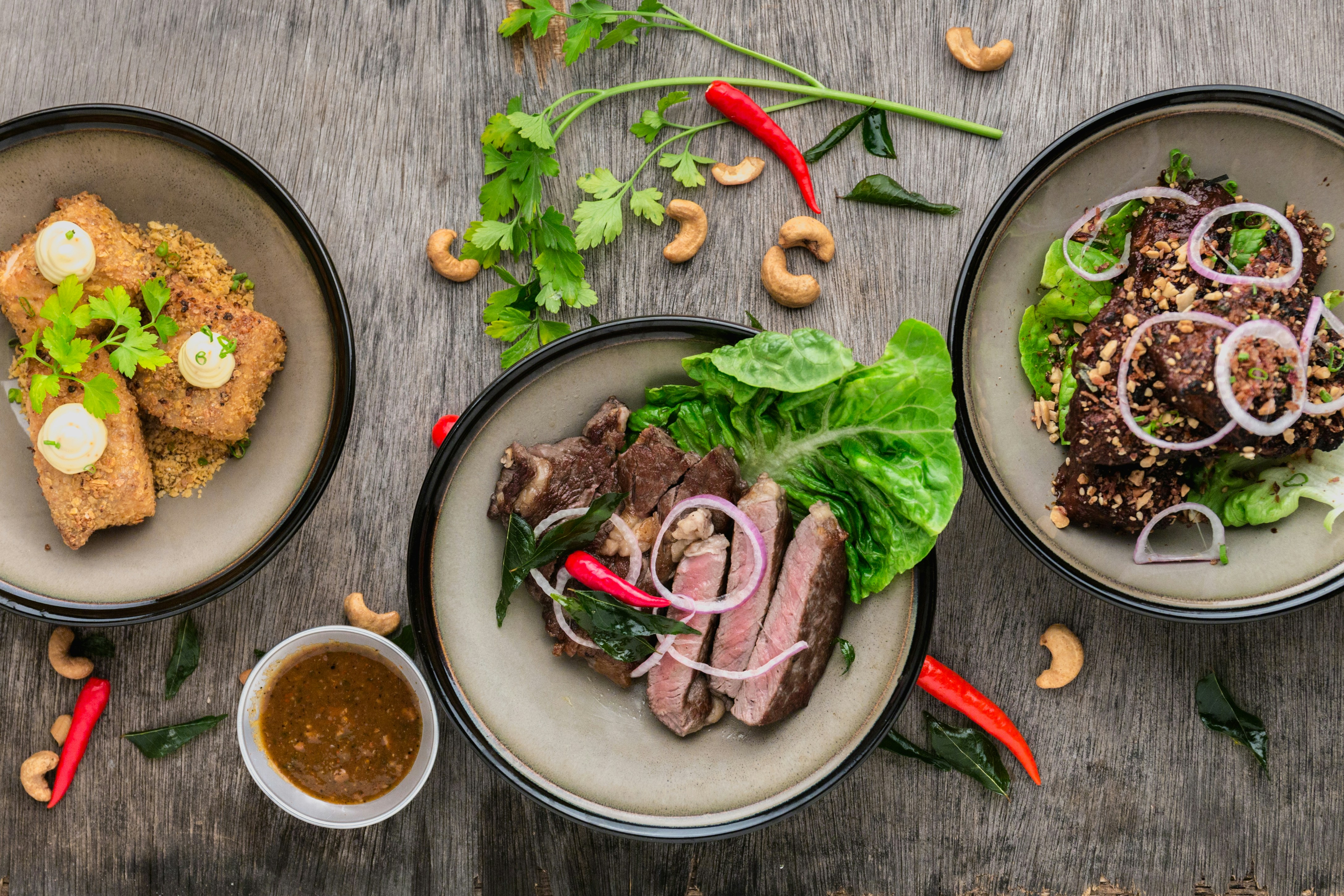
Sourcing quality ingredients for such a meal carries its own quiet significance. When you take care to prepare something good, you are participating in the same spirit of responsibility that veterans often describe when they talk about their service. You are choosing to do something well because it matters to the people at the table. Premium meats and seafood, handled with care, become part of that small act of faithfulness.
The Christian understanding of sacrifice offers a helpful frame here. The ultimate sacrifice was not demanded but freely given. Christ laid down his life willingly. That pattern — costly, willing love — has shaped how generations of Christians have thought about service and sacrifice in every sphere of life. Honoring veterans, then, is not primarily about glorifying conflict. It is about recognizing the cost others bore so that ordinary life, including the ordinary life of the table, could continue.
This does not require long speeches or heavy conversation. Often the most fitting tribute is simply a well-prepared meal eaten with gratitude. A simple prayer of thanks. A story shared about someone who served. These small acts keep memory alive in the place where families are most themselves.
For Florida families who value both good food and the people they share it with, Veterans Day offers a natural opportunity. The table becomes the setting where remembrance and gratitude are practiced rather than merely discussed. In doing so, we honor sacrifice in one of the most human ways possible — by feeding one another and refusing to let the cost of freedom be forgotten.